How to Choose a Local Plumber in Silver Borough: A 10-Point Checklist
A burst supply line does not wait for a convenient moment. Most people hire a plumber in a hurry, often the first name that comes up in a search, and only afterwards wonder whether they checked anything at all. That is understandable, and it is also how a small leak turns into an expensive argument. Silver Borough has no shortage of plumbing outfits, from one-person operations working out of a van to larger firms with a dispatcher and a storefront. The difference between a smooth repair and a month of phone calls usually comes down to ten minutes of checking before anyone touches a pipe.
Start With the License
Licensing rules for plumbers vary by state and municipality, so the exact requirements depend on where you are. Whatever they are in your case, a legitimate plumber should be able to give you a license number without hesitating and tell you where it can be verified — your state plumbing board or the local office that issues trade permits.
- Ask for the license number, not just a promise that they are licensed.
- Write it down and look it up yourself.
- Check that the name on the license matches the name on the estimate and on the truck.
- Confirm the license covers the type of work you need; some cover service and repair only.
If a company sends a technician, ask whether that person works under the company's license or holds their own. On permitted work — water heater replacement, gas line work, major reroutes — the permit should be pulled in the name of the licensed contractor, not left for you to arrange.
Insurance Protects You, Not Just the Plumber
Two policies matter. General liability covers damage to your home, such as a cracked tub or a finished ceiling ruined by a missed shutoff. Workers' compensation covers the person on your property if they are injured while working.
Ask for a certificate of insurance and check the dates on it. Certificates expire, and small operations sometimes let a policy lapse without thinking about it. If you want certainty, call the insurer listed on the certificate and confirm the policy is active. A plumber who carries both policies will not be offended by the question. One who gets defensive about it is telling you something useful.
Estimates: Compare Scope, Not Just Numbers
The lowest figure on the page means nothing if it does not cover the same work as the others.
What a usable estimate includes
- Whether the price is fixed or hourly, and the hourly rate if applicable
- Parts and labor, listed separately
- Permit fees, and who is responsible for pulling the permit
- Removal and disposal of the old fixture or equipment
- Cleanup, plus any drywall or floor repair after access is cut — or an explicit note that it is not included
- Warranty terms on parts and labor, in writing
- Whether after-hours, weekend or emergency rates apply
Ask what happens if the job turns out to be bigger than expected. A good answer describes how you will be told and how you approve extra work before the charges appear. A vague answer is how a simple fixture swap becomes a disagreement.
Get two or three estimates for anything beyond a minor repair, and be wary of a quote that arrives without anyone looking at the actual problem. Photos can work for a straightforward job, but a gas line, a hidden leak or anything behind a wall needs eyes on it.
Reviews, References and the Neighborhood Test
Online reviews are useful in aggregate and misleading one at a time. Read for patterns. Repeated mentions of the same problem — no-shows, surprise charges, sloppy cleanup — mean more than a single angry post from someone who may have been difficult.
How to read reviews without getting fooled
- Look at the distribution, not the average. A wall of five-star reviews posted in one week is worth less than a mix spread across a year.
- Read the one- and two-star reviews closely, then read the business's replies. A calm, specific response is a good sign.
- Check whether the reviewer describes work similar to yours.
Then do what online reviews cannot do: ask neighbors. Silver Borough is small enough that word of mouth still carries weight. Community boards, the group chat for your street, the person behind the counter at the hardware store. Ask specifically whether the plumber showed up when promised and whether the final bill matched the estimate.
The Ten-Point Checklist at a Glance
- License number verified with the issuing authority.
- Name on the license matches the company you are hiring.
- General liability insurance certificate, current and in date.
- Workers' compensation coverage for anyone entering your home.
- Written estimate with a clear scope of work.
- Permit responsibility spelled out.
- Warranty on parts and labor, in writing.
- At least two recent references for similar work.
- Review pattern checked across more than one platform.
- Payment terms agreed before work starts.
Payment Terms and Warning Signs
Normal practice is a modest deposit for materials on larger jobs, with the balance due once the work is complete. Be cautious about a large cash deposit up front, especially on a first job. Never pay the full amount before the work is finished and you have looked it over.
Walk away, politely, if the plumber pressures you for an immediate decision, quotes a suspiciously low price without seeing the job, refuses to put anything in writing, or cannot produce a license number. Those four habits tend to travel together.
Before You Say Yes
Pick two candidates, ask each the same five questions, and compare the answers side by side. Confirm the start date, the expected duration, who to call if something goes wrong, and how payment will be handled. Keep the estimate, the warranty, and any texts or emails in one folder. If you ever need to sort out a dispute, that folder is your case.
Hiring a plumber is not complicated. It just takes a few questions asked before the water is running again instead of after. And for anything involving a contract, an insurance claim, or a disagreement that looks like it might escalate, speak with a qualified professional — a checklist is a starting point, not legal advice.
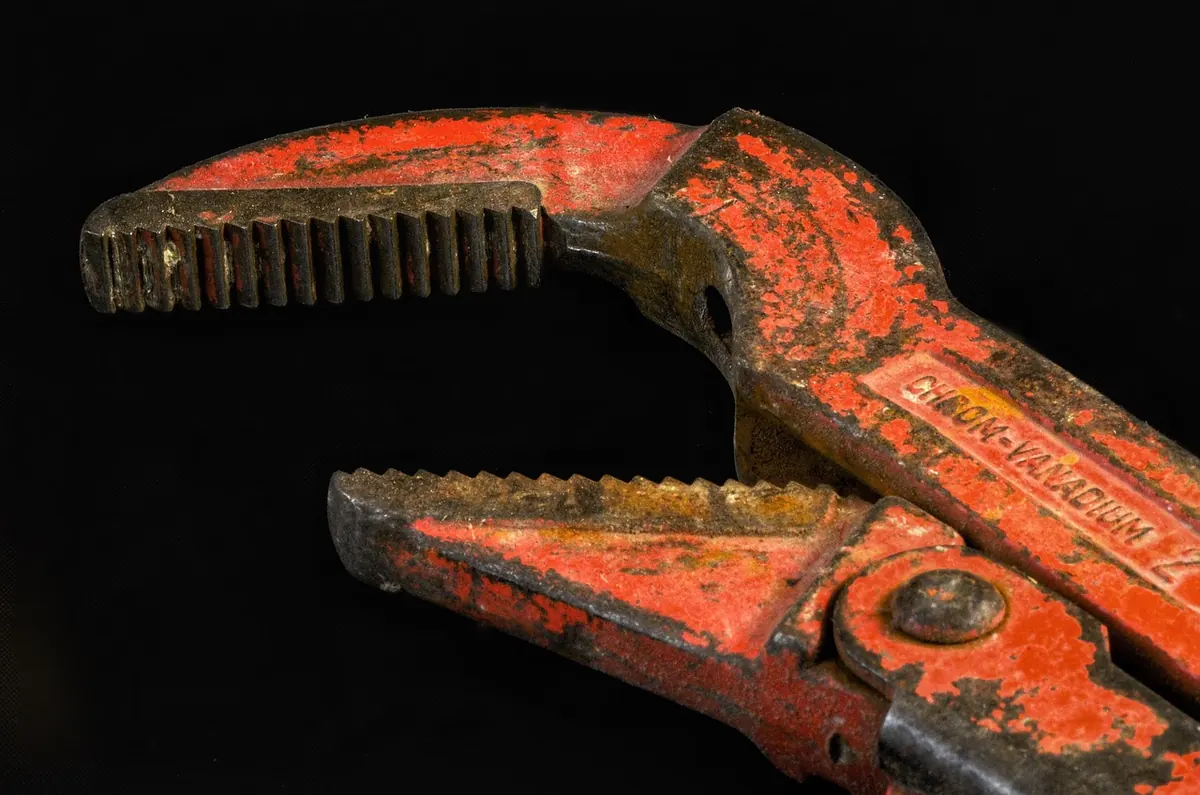
Photo: ThomasWolter / Pixabay