Silver Borough Road Closures and Construction: What to Expect This Season
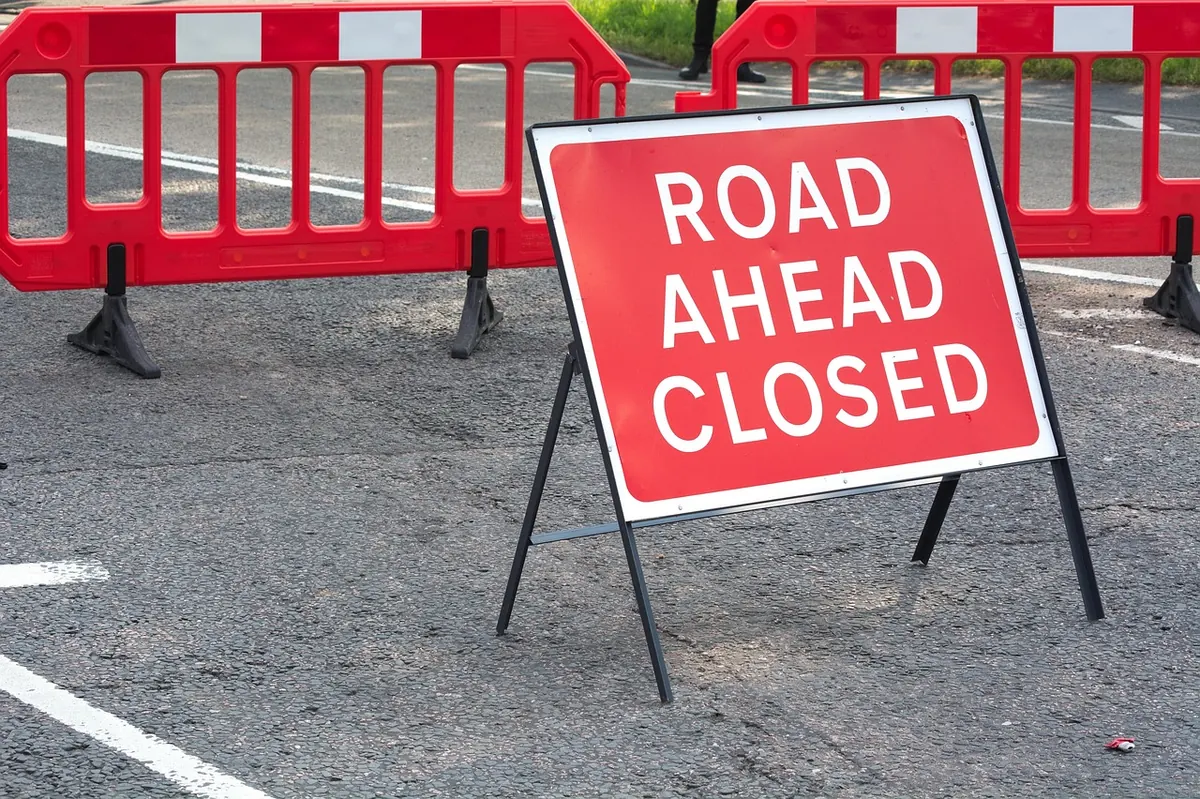
Fresh asphalt smells like progress until you are sitting in it. Construction season is already moving through Silver Borough, and the next few months will bring lane closures, torn-up intersections, and at least one detour that sends you past a street you have never noticed before. Very little of it is random. Most projects are scheduled months ahead, funded through a mix of borough, county, and state programs, and timed to finish before cold weather makes paving impossible. Knowing what is coming, and roughly when, is the difference between a frustrating commute and a manageable one.
The Four Kinds of Work You Will See
Not every orange barrel means the same thing, and the type of project tells you how long the disruption will last.
- Resurfacing. Crews grind off the top layer of asphalt and lay a new one. Fast and loud, and usually finished on a given block within days, though a full street can take several weeks from first cut to final stripe.
- Utility replacement. Water, sewer, gas, or fiber crews open a trench. This moves slower than paving. Expect steel plates over the road overnight and single-lane traffic for weeks at a time.
- Bridge and culvert work. The longest timelines of all. You may see temporary signals, weight limits, or a full closure with a signed detour that lasts an entire season.
- Sidewalk, curb, and ramp upgrades. Pedestrians and wheelchair users feel these most. A sidewalk can close for days with a temporary route posted a block or two away.
Add in the small stuff: pothole patching, line striping, sign replacement, and tree trimming. Short jobs, but they still take a lane.
Why Some Streets Get Torn Up Twice
The most common complaint every season is a freshly paved street reopened by a utility crew two weeks later. It happens for a few reasons. Utility companies work on their own schedules and their own budgets, and emergencies do not wait for paving season. When a water main fails in August, it gets fixed in August. Coordination between agencies has improved, but it is not perfect.
What you can do: if a new patch on your street is already sinking or crumbling, report it. Borough permits generally require utility crews to restore the surface to a reasonable standard, and a quick call with a photo attached is far more effective than waiting for someone to notice.
How Detours Actually Work
- Signed detours are built for through traffic, not for you specifically. They use roads that can handle trucks and traffic volume, which means they are not always the fastest route for a car.
- Flaggers outrank the signs. Follow their direction even when it seems to contradict the posted route. They can see the whole work zone; you cannot.
- Local access is usually maintained. You can normally reach your own driveway. Tell the flagger where you are headed and wait for the signal.
- Cutting through side streets makes it worse. Residential blocks are not built for diverted volume, and neighbors notice.
- Detours change mid-season. A route that works in July may be gone in August when the next phase starts.
- Report bad signage. Missing, fallen, or confusing signs get fixed quickly once someone calls the public works line.
A Rough Sense of the Season
Spring: patching and digging
Pothole crews, street sweeping, and utility work that has to finish before paving begins. Closures tend to be short and scattered. This is also when you are most likely to see a lane closed with no one visibly working, because crews are staging equipment or waiting on materials.
Summer: the heavy lifting
Resurfacing, bridge deck repairs, and water main replacement dominate. This is when backups are longest. On busier arteries, some crews work overnight to avoid peak hours, which means noise for nearby residents between roughly late evening and early morning. It is unpleasant, but it shortens the overall project.
Fall: the finish line
Paving needs warm, dry weather, so this is the push to get surfaces down before the window closes. Expect striping, punch-list repairs, and crews restoring lawns and driveways they had to dig through. A single rainy week can shove an entire schedule into the next one.
Winter: emergencies only
Scheduled work mostly stops. What remains are water main breaks, sinkholes, and storm response. Those closures appear without warning and can last longer than anyone wants.
Timing Your Commute While Work Is Active
- Leave earlier than feels necessary. Ten minutes covers most short-term lane closures; twenty covers a paving crew working a main road.
- Pick one alternate route and stick with it. Improvising every morning puts you in unfamiliar backups and adds traffic to streets that cannot absorb it.
- Shift your trip if you can. Crews often start early and clear a lane by mid-afternoon. Leaving at 8:30 instead of 7:45 can be the whole difference.
- Watch for bus stop changes. Temporary relocations are posted on the stop itself, but they are easy to miss in the dark.
- Give school routes extra room. Drop-off and pickup windows are the worst possible times to pass a work zone, especially where kids are crossing.
- Do not follow the car ahead blindly. Drivers duck into closed lanes every season. Read the signs yourself.
If Your Street Is on the List
- Move your car when no-parking signs go up. Towing does happen, and it is a miserable way to start a Tuesday.
- Ask about driveway access before work begins. Crews can usually keep a path open, but they may need a few hours of notice if you have to leave at a specific time.
- Keep trash bins and mailboxes clear of the work zone, and put them somewhere crews can actually reach them.
- After water main work, a little discoloration in the tap is normal. Run the cold water until it clears. If it does not clear, call the water department.
- Keep children and pets away from open trenches and heavy equipment, even when the site looks idle.
- If a sidewalk closure blocks your usual accessible route, request an alternate path rather than turning around and staying home.
One practical note: if the work touches your lawn, curb, or driveway apron, take dated photos beforehand. Restoration usually happens, but photos end arguments before they start.
Where to Check Before You Leave
The borough publishes weekly construction bulletins and maintains a project map, and most active sites are listed with a rough phase and contact number. Sign up for alerts if that is offered, check the night before, and check again in the morning, because rain and supply delays move schedules constantly. School districts and transit agencies also post their own route adjustments, which do not always match the borough's list.
If you spot something genuinely unsafe, a missing barricade, a deep trench left open, a traffic signal dark at a work zone, call the public works line or the non-emergency police number. Do not assume the crew already knows.
Construction is temporary; the street underneath is not. A few minutes of planning before you pull out of the driveway will get you through the season with far less frustration, and the finished road will be waiting when it is over.
Photo: Positive_Images / Pixabay